Revamp Your Backyard: Your Essential Guide to Stunning Pool Remodeling Ideas
Converting a yard into a beautiful retreat requires thorough preparation and implementation. A pool transformation can improve both aesthetics and functionality. By assessing existing features and exploring contemporary styling options, property owners can develop a setting that fulfills their requirements. However, the process requires more than just selecting tiles and water features. Knowing the critical stages and common challenges is essential for a complete renovation. What critical steps should be taken to reach the intended result?
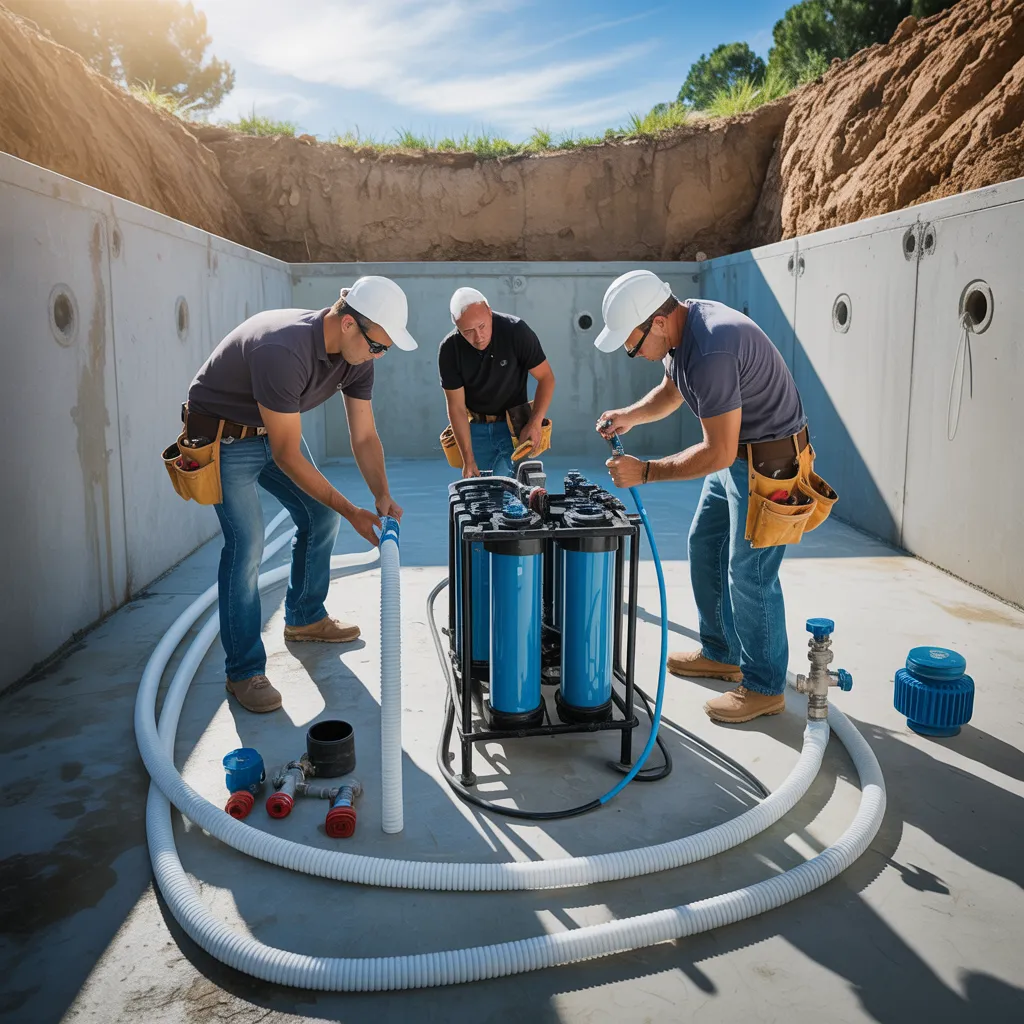
Critical Steps for Achieving a Successful Pool Remodel
Completing a successful pool renovation requires careful planning and execution. The initial step involves establishing a well-defined budget, which aids in defining the project's scope and guides decision-making. Following this, homeowners should evaluate their existing pool and the surrounding outdoor space to pinpoint areas that require enhancement. This review commonly produces the development of a design plan that reflects personal tastes and everyday living requirements.
Employing a licensed contractor is crucial, as their knowledge can optimize the remodeling process and secure compliance with regional requirements. Securing applicable permits is another vital step that must not be ignored. Moreover, picking the right building materials and surface treatments will have a major effect on the aesthetic appeal and overall longevity of the home improvement project.
In the end, defining a attainable timeframe for wrapping up aids in setting goals, guaranteeing that property owners can enjoy their revamped outdoor area without unneeded delays. Through meticulous application of this process, a remarkable pool transformation can be attained.
Selecting the Best Features for Your Pool
How can someone figure out the ideal features to improve a pool's usability and aesthetic? The process starts by considering the primary function of the pool. For families, precautionary additions including non-slip surfaces and shallow areas may be prioritized. For social gatherings, water slides, swim-up bars, or built-in seating can add excitement.
Furthermore, one must evaluate visual components, such as illumination and garden planning, which can cultivate a calming environment. Additions such as waterfalls and fountains not only boost aesthetic value but also introduce soothing sounds.
In addition, practical aspects such as efficient heating solutions and automated cleaning solutions improve convenience and sustainability.
Ultimately, coordinating the selected elements with one's personal way of living and the immediate outdoor setting is of the utmost importance. This careful approach ensures that the pool becomes a treasured highlight, integrating naturally with the backyard while serving its intended purpose effectively.
Managing Your Pool Renovation Budget
Budgeting for a pool remodel requires careful consideration of several key factors. Property owners ought to start by establishing firm budget boundaries and concentrating on necessary enhancements to optimize their investment. Furthermore, researching different funding opportunities can make it easier to complete the intended upgrades without financial burden.
Setting Your Budget Limits
Establishing a budget for a pool remodel is critical for keeping the project financially on track. Homeowners ought to start by assessing their present financial standing and deciding how much they can reasonably set aside for the remodel. It is advisable to factor in not only direct costs, such as materials and labor, but also indirect expenses, like permits and potential landscaping changes. Researching average costs in the local market can provide valuable insights and help establish realistic expectations. Moreover, homeowners should plan for a contingency fund to cover unexpected expenditures that might surface during the renovation. By determining firm budget parameters, property owners can successfully oversee their resources while still realizing their desired pool renovation.
Addressing Critical Upgrades
When planning a pool renovation , property owners should emphasize critical enhancements to make certain the most meaningful updates stay within their financial plan. Critical aspects including resurfacing the pool interior, upgrading the filtration system, and strengthening safety features should come first. Resurfacing not only improves aesthetics but also extends the pool's lifespan. A contemporary filtration system guarantees clean water, minimizing maintenance expenditures in the long run. Additionally, incorporating safety measures, such as non-slip surfaces and proper fencing, is vital for family safety. Property owners should assess their existing configuration and pinpoint areas needing urgent attention, enabling them to distribute funds wisely. By emphasizing these key enhancements, they can establish an appealing and efficient pool environment without stretching their finances.
Discovering Financing Options
How can homeowners effectively finance their pool remodel while staying within budget? To begin, homeowners should develop a comprehensive budget that covers all anticipated costs, such as materials, labor, and unforeseen expenses. Furthermore, investigating funding options such as personal loans, home equity lines of credit, or pool-specific financing arrangements can secure the necessary resources. Moreover, certain contractors provide flexible financing arrangements that make monthly payments more affordable. Homeowners might also consider saving for the remodel by setting aside a portion of their income over time. As a final consideration, exploring grants or financial incentives tied to energy-efficient enhancements can significantly ease monetary strain. By thoroughly reviewing these possibilities, homeowners can reach sound decisions that match their financial means while bringing their dream pool to life.
Latest Design Trends for Pool Remodeling
Prevailing design trends in pool remodeling focus on modern minimalist concepts, built around clean lines and a streamlined appearance. Additionally, eco-friendly features are gaining popularity, advancing green practices while improving the overall enjoyment. Smart technology integration also plays a vital role, providing homeowners with cutting-edge options for comfort and energy savings.
Contemporary Minimalist Design
As homeowners strive to develop tranquil outdoor retreats, sleek minimalist styles have risen as a prominent trend in pool renovation. This style focuses on simplicity and functionality, built around structured layouts and expansive areas that promote a feeling of calm. Swimming pools crafted with minimalist principles often feature geometric shapes and neutral color palettes, permitting them to harmonize naturally with their landscape. Elements like natural stone, concrete, and glass are chosen for their polished aesthetic and resilience. Integrating delicate landscaping touches, including minimal greenery, improves the composition without dominating the environment. By prioritizing quality over quantity, contemporary minimalist pool styles establish a welcoming environment that encourages relaxation and enjoyment, rendering them a favored option for modern homeowners.
Environmentally Friendly Pool Features
With an increasing emphasis on sustainability, environmentally conscious pool features are emerging as a leading trend in outdoor renovation. These features prioritize environmental responsibility while enhancing aesthetic appeal. For instance, natural filtration systems harness plants and gravel to preserve water clarity, reducing reliance on chemicals. Moreover, solar heating panels are growing in demand, allowing pool owners to harness renewable energy for temperature regulation. Using recycled materials in pool building, including reclaimed stone or glass tiles, additionally advances green initiatives. In addition, energy-efficient pumps and LED lighting reduce energy usage while simultaneously decreasing the carbon footprint. At their core, these cutting-edge designs embody a devotion to sustainability, delivering an attractive and environmentally responsible choice for today's pool owners.
Smart Technology Integration
Growing numbers of homeowners are incorporating smart technology integration in their pool renovation endeavors. This movement improves ease of use and performance, allowing for seamless control of multiple pool features. Automated thermostats assist in maintaining ideal water temperatures, while smart lighting systems establish atmosphere and enhance security during evening hours. Furthermore, sophisticated filtration units featuring built-in start now sensors assess water cleanliness, ensuring a pristine swimming environment with minimal manual intervention.
Remote connectivity through smartphones or tablets empowers users to change settings, obtain alerts, and even enable features including heating or cleaning from a distance. Furthermore, connectivity with home automation systems enables coordinated functionality with other smart devices, simplifying the overall outdoor experience. In summary, smart technology is converting pools into elegant, effortless sanctuaries.
Combining Landscaping With Your Pool
Incorporating landscaping with a pool can transform an ordinary backyard into a serene oasis, improving both visual appeal and practical use. Thoughtful landscaping harmonizes with the pool's design, creating a cohesive look. Indigenous plants, for example, demand minimal upkeep and flourish in regional climates, adding color and texture around the pool area.
Strategically placed trees can offer shade, making lounging more comfortable while also enhancing privacy. Adding elements such as natural stone paths or ornamental rocks can guide the eye and encourage exploration throughout the space.
Water elements, such as fountains or cascading waterfalls, not only enrich the auditory experience but also establish a peaceful atmosphere. Furthermore, the incorporation of outdoor lighting brightens the pool and surrounding landscape, prolonging usability into the evening hours. Ultimately, integrating landscaping elements with a pool not only amplifies the overall visual appeal but also improves the comfort and functionality of the outdoor retreat.
Maintenance Tips to Keep Your Remodeled Pool in Top Shape
Upkeeping a newly upgraded pool requires diligent focus on multiple considerations to ensure its lifespan and attractive appearance. Frequent cleaning is critical, as contaminants can gather and compromise both water clarity and visual appeal. A reliable regimen of cleaning, skimming, and brushing the pool surfaces aids in preventing algae buildup and ensures clean and clear conditions.
Water chemistry is another critical aspect; testing pH, chlorine, and alkalinity levels weekly guarantees a safe swimming environment. In addition, the filtration system must be routinely inspected and cleaned to achieve peak efficiency.
Periodic seasonal care, including winterizing throughout colder months, is vital for preserving the pool structure and equipment. Examining tiles, coping, and surfaces for cracks or deterioration can help avoid expensive repairs down the line.
Moreover, the landscaping surrounding the pool should be addressed to limit debris accumulation and preserve drainage flow, making certain that the surrounding space remains safe and inviting for all who enjoy it. Consistent maintenance not only improves the overall experience but also preserves the investment in a remodeled pool.
Frequently Asked Questions
What Is the Typical Duration of a Pool Remodel?
A typical pool remodel takes approximately two to six weeks, based on factors such as project complexity, weather conditions, and contractor availability. Homeowners ought to prepare for possible delays caused by unforeseen issues throughout the remodeling process.
Can an Above-Ground Pool Be Remodeled?
Indeed, an above-ground pool can be remodeled. Homeowners often enhance aesthetics by installing decks, greenery, or premium liners, while structural improvements may encompass fortifying walls or changing the pool height. Careful planning guarantees a successful transformation.
What Permits Are Needed for Pool Remodeling?
When remodeling a pool, property owners generally require permits covering plumbing, electrical work, and construction. Municipal regulations differ, so consulting with the local construction authority is crucial to ensure conformity with all applicable codes.
How Do I Choose a Reliable Contractor?
To select a dependable contractor, one should seek recommendations, check online reviews, verify licenses and insurance, consult with multiple prospects, and obtain thorough written estimates. Reliability and clear communication during early discussions are strong indicators of their professionalism and dependability.
What Warranties Should I Anticipate on Pool Renovations?
Homeowners should expect warranties covering equipment, structural integrity, and materials for pool renovations. These warranties commonly range from one to ten years, according to the contractor and the particular components used in the remodeling project.